| 최초 작성일 : 2025-09-28 | 수정일 : 2025-09-29 | 조회수 : 24 |
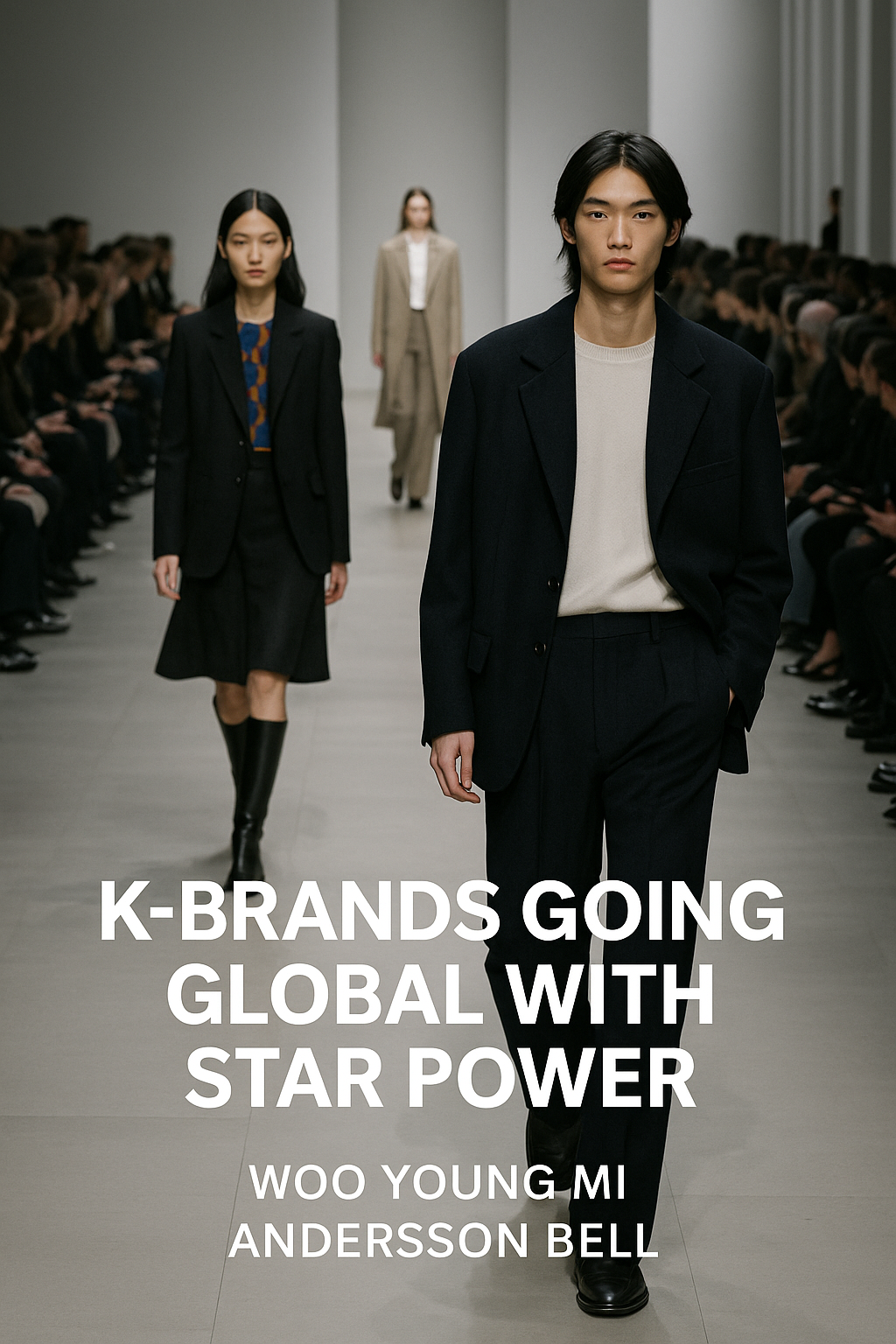
In the past, fashion and modeling in Korea were far from the spotlight of mainstream culture. Models were perceived as anonymous faces in advertisements or magazines rather than stars in their own right. Fashion shows were closed events for industry insiders and enthusiasts, while the general public paid little attention. For decades, the term “star” was reserved for actors, singers, or athletes who appeared on television and in movies. Even outstanding models like Jang Yoon-ju or Han Hye-jin were recognized only within the fashion industry, not as household names. In short, fashion and modeling once remained on the margins of cultural attention, without a system that could elevate models into true public stars.
This situation began to change rapidly in the 2000s. With the rise of cable TV, online media, and later social platforms, fashion became a topic easily accessible to the general public. Models appeared on variety shows and talk programs, closing the distance between themselves and viewers. Han Hye-jin, Irene Kim, and Jin Jung-sun, among others, became familiar faces. Meanwhile, the popularity of K-dramas and K-pop introduced “airport fashion” and stage outfits as major sources of news. A celebrity’s outfit could sell out within hours, proving that fashion had become part of everyday conversations. Social media further amplified this trend, as Instagram and TikTok turned models and idols into global influencers whose images spread instantly across borders.
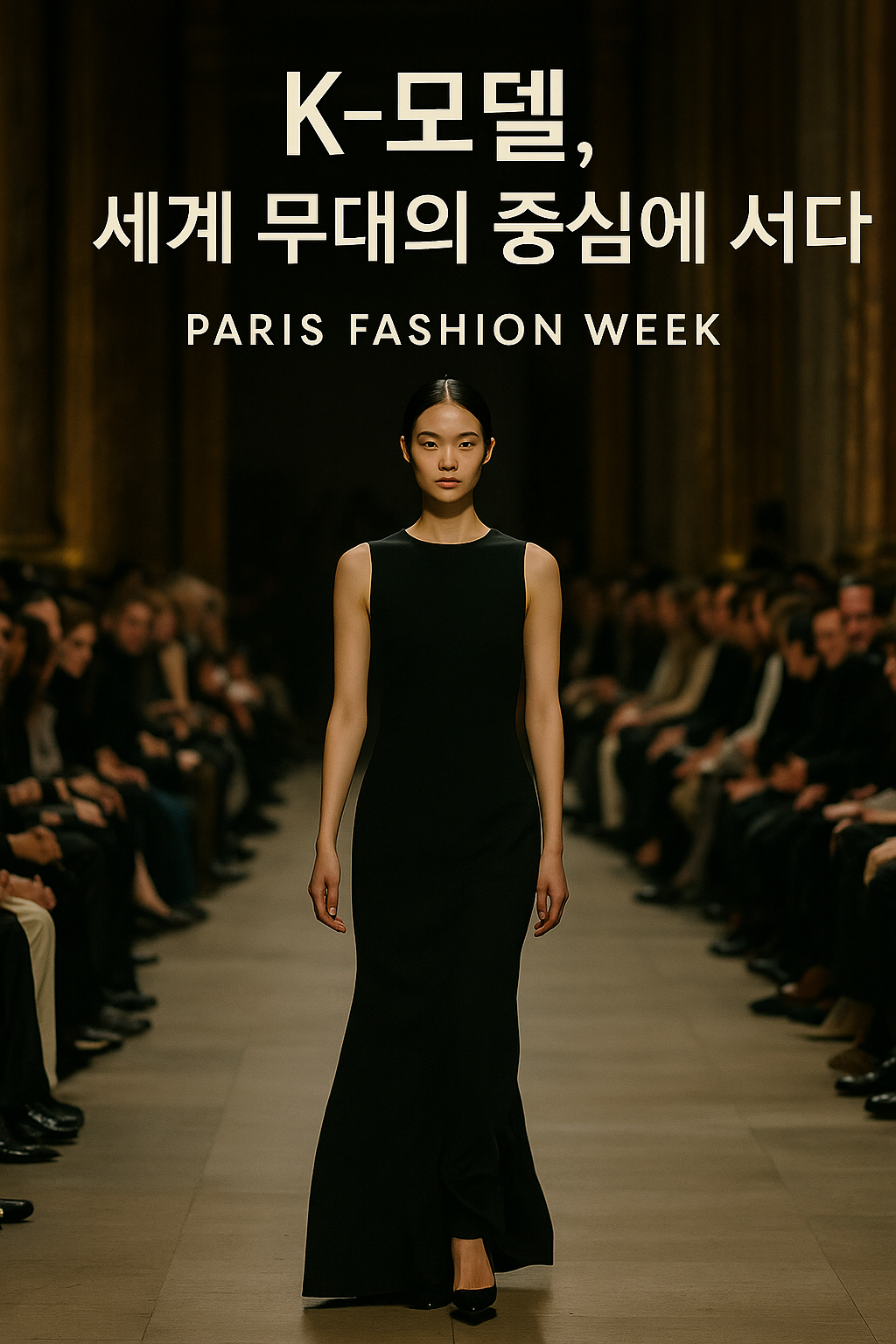
The true turning point came when Korean models and idols established themselves internationally. HoYeon Jung became a Louis Vuitton ambassador after Squid Game, while Soo Joo Park and Choi So-ra walked for Chanel, Dior, and Prada. Established figures like Jang Yoon-ju and Han Hye-jin demonstrated versatility beyond the runway, enhancing the recognition of Korean models worldwide. At the same time, K-pop idols became central to luxury branding. BLACKPINK’s Jennie (Chanel), Lisa (Celine, Bulgari), Rosé (Saint Laurent, Tiffany), and Jisoo (Dior) are global ambassadors, while BTS members V (Celine), Jungkook (Calvin Klein), Jimin (Dior), Suga (Valentino), and RM (Bottega Veneta) strengthened their influence in the fashion world. NewJeans’ Minji (Chanel), Hanni (Gucci), and Danielle (Burberry), along with LE SSERAFIM’s Hong Eun-chae (Louis Vuitton), represent the next wave of Korean fashion icons. Korean designers such as Woo Young-mi and Anderson Bell have also gained traction on global runways, positioning Korea as a serious player in the industry.
Pierre Bourdieu’s Cultural Capital Theory explains part of the shift. Fashion is not just about clothing—it symbolizes social class and taste. What used to be limited to Western elites has been democratized by K-pop and social media, making it accessible cultural capital for global audiences. The Global Media Diffusion Theory adds another layer: fashion is a visual language that transcends translation. A single photo or short clip can capture global attention instantly. Platforms like Instagram and TikTok enable Korean stars’ styles to spread without barriers. The Fandom Economy Theory reveals how fans actively consume and promote their idols’ fashion. BTS or BLACKPINK members’ outfits often sell out within hours, turning fandom passion directly into brand revenue. Finally, Platform Capitalism shows how social platforms monetize style. Algorithms amplify Korean stars’ fashion content, converting cultural influence into measurable economic value.
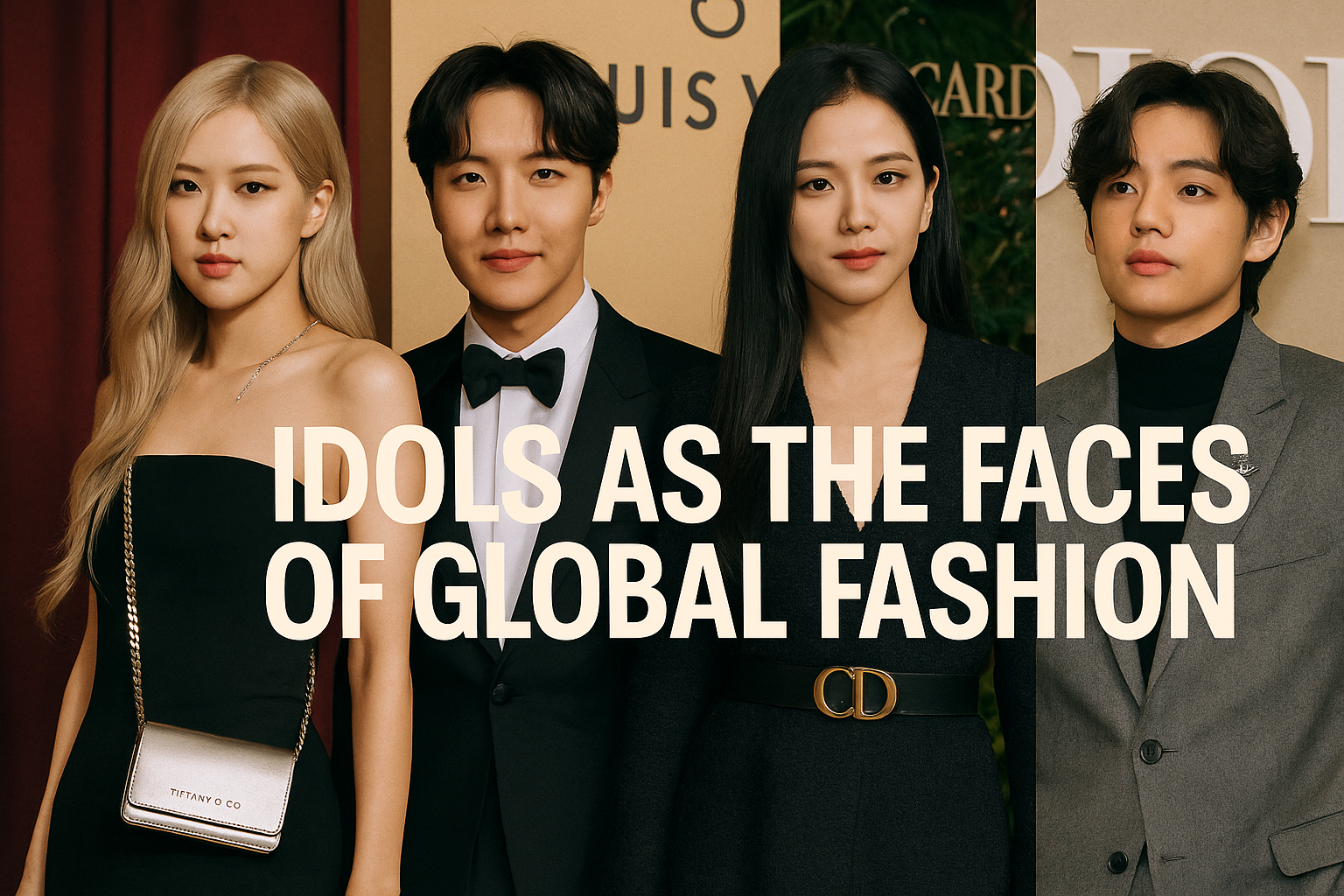
The global success of Korean fashion icons is rooted in several structural factors. First, their hybrid identity—a blend of Asian aesthetics and global sensibility—offers freshness to Western fashion while resonating broadly with international audiences. HoYeon Jung’s presence on the runway or Lisa’s global appeal through Celine and Bulgari exemplify this duality. Second, Korean stars excel in the era of Platform Capitalism. They understand how to leverage social media to engage fans worldwide, turning style into a digital commodity. Jungkook’s Calvin Klein campaign, which boosted global searches and sales, is a prime example. Third, the Cultural Diplomacy Effect matters. With K-pop, K-dramas, and Korean cinema already established, Korean stars enter fashion backed by a cultural wave that amplifies their influence. Lastly, Cultural Capital Exchange occurs when brands and stars collaborate: luxury brands gain fandom energy, while stars borrow prestige from brand heritage. This symbiosis makes Korean stars indispensable in global fashion marketing.
Becoming a star in fashion and modeling is never accidental. It requires invisible but relentless effort. Self-management and professionalism: Maintaining physique, posture, and expressive ability is a daily discipline. Top models like Han Hye-jin and Jang Yoon-ju exemplify this commitment. Brand interpretation skills: Stars must embody the philosophy of a brand, not just wear its clothes. HoYeon Jung’s performances for Louis Vuitton showed her ability to channel a brand’s narrative. Personal branding and SNS use: Social media allows direct connection with fans. Jennie, Lisa, V, and Minji utilize Instagram and TikTok to reinforce their images and amplify brand impact. Global competence: Language skills and cultural adaptability are crucial. Models like Choi So-ra and Soo Joo Park built networks in Paris, Milan, and New York by overcoming barriers. Constant reinvention: Fashion evolves rapidly; stars must show versatility. Rosé’s changing looks or Hanni’s shifts in concept prove that adaptability is key to long-term relevance.
The future of fashion and modeling will go beyond traditional runways. Virtual influencers and AI models will increasingly collaborate or compete with human stars. Korea, with its digital culture, is well-positioned to pioneer this field. Synergy with K-brands will grow. Designers like Woo Young-mi and Anderson Bell already stand strong globally, and pairing them with K-pop icons could elevate Korean fashion brands into luxury players in their own right. Social impact of style will intensify. Fashion will be used to communicate messages about sustainability, diversity, and identity. Korean stars already participate in eco-friendly and inclusive campaigns, expanding their role beyond style into cultural leadership. Deeper fandom interaction will emerge. Limited-edition collaborations co-created with fans may redefine how fashion is consumed, turning fandom into co-producers rather than passive buyers. Ultimately, Korean fashion and modeling will continue to act as cultural diplomacy. A single airport fashion photo or Instagram post can influence global conversations, sales, and even perceptions of Korea itself. In this sense, Korean fashion stars are not just icons of style, but key agents in shaping cultural and economic futures worldwide.










 티스토리 블로그
 회원가입
회원가입 로그인
로그인