| 최초 작성일 : 2025-09-28 | 수정일 : 2025-09-28 | 조회수 : 14 |
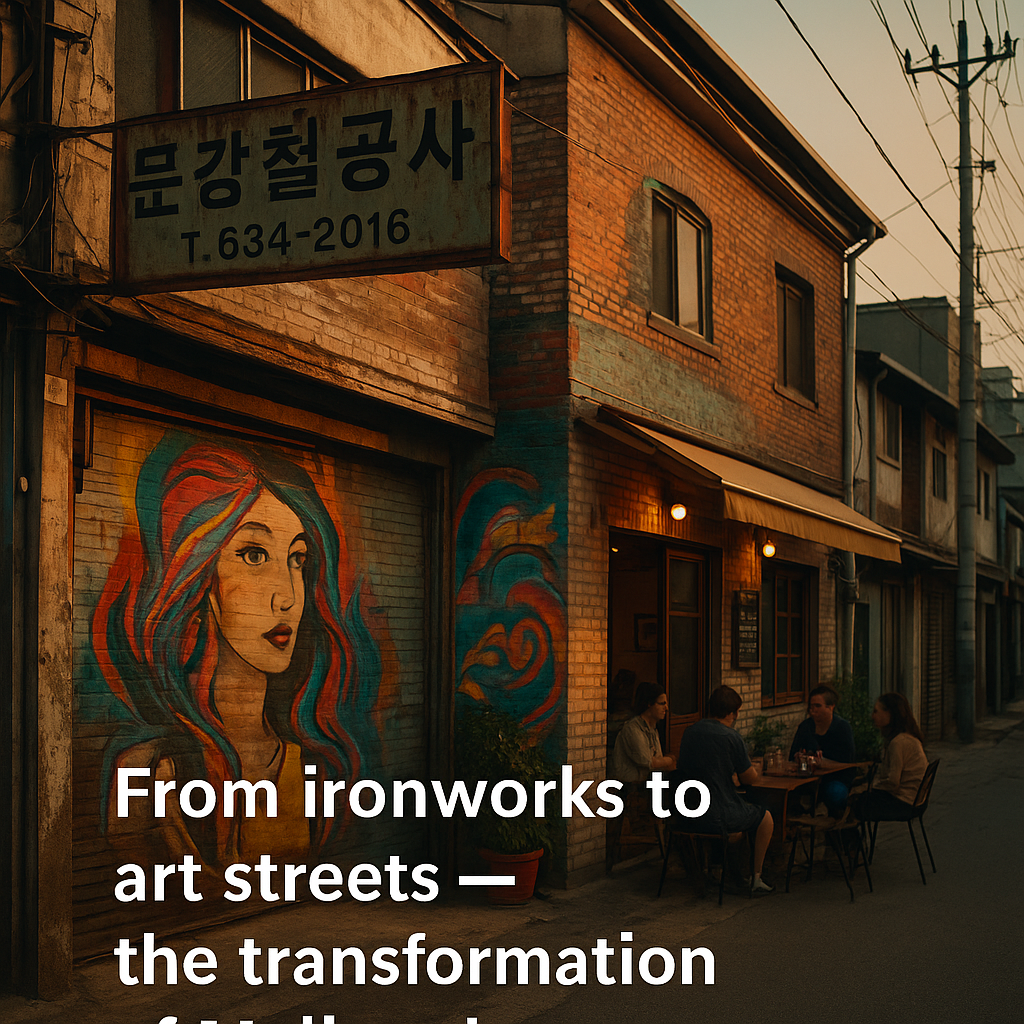
[iNews24, 2025.09.25] “A Seoul neighborhood ranked 6th among the world’s coolest” [Time Out, 2025.09.24] “The World’s Coolest Neighborhoods 2025 unveiled” [BBC, 2025.09.24] “Local life and global cities: Why neighborhoods matter more than landmarks” [Chosun Ilbo, 2025.09.25] “Seongsu-dong, Yeonnam-dong and Seoul’s rising local neighborhoods gain global spotlight” [The Guardian, 2025.09.23] “Cool neighborhoods define the future of urban life” ------------------------------------------------- Seoul is a city already defined by countless labels: the land of blazing-fast internet, a forest of skyscrapers, a metropolis that never sleeps. To many around the world, it is K-pop and K-drama, Olympic Games and summits—a stage of scale and speed. But this time, a very different title has been attached: “One of the World’s Coolest Neighborhoods.” In a ranking released by a respected British magazine, a small alleyway in Seoul made it to the global top 10—landing in 6th place. When the news broke, many were surprised. Not Gangnam’s gleaming towers, not Myeongdong’s glittering shopping streets, but an ordinary neighborhood close to daily life drew international acclaim. Between brick walls and old shopfronts, a café tucked away, a decades-old store still standing, people passing through narrow alleys—what is familiar to locals has become a source of wonder to the world. Seoul’s Mullae-dong was once an industrial hub of steel and metal workshops. Today, it has transformed into a cultural hotspot, where the clang of machinery meets the rhythm of street art, where small workshops coexist with cafés, galleries, and studios. What captivated the world was not simply a new cluster of trendy spots, but the stories, memories, and creative energy woven together in this urban fabric. Yet beyond the headlines, deeper questions emerge: ㅇ What truly makes a neighborhood “cool” in the eyes of the world? ㅇ What conditions must it meet to earn such a title? ㅇ And more importantly, what does this mean for our lives and the way we inhabit cities? These questions go beyond tourism or rankings. They ask about the essence of cities and people, of space and life itself. And so, with these questions in mind, we set out to explore what makes a neighborhood not just livable, but remarkable.
What does it take for a place to be called cool? Surely, a handful of trendy cafés or crowds of young visitors cannot by themselves bring global recognition. A “cool neighborhood” is not a façade of appearances—it is the accumulation of lifestyles and cultures layered over time. Urban sociologists often point to four conditions: 1. Local Identity A neighborhood must carry its own story. An old signboard above a noodle shop, a family bakery that has survived generations, a small park full of shared memories. These create a unique atmosphere—a “local air” that cannot be replicated. No matter how stylish a brand may appear, if it erases this identity, the neighborhood loses its charm. 2. Cultural Diversity Vibrancy is born when artists, young entrepreneurs, immigrants, and longtime residents intersect. Their differences spark creativity, generating an energy that becomes the true heartbeat of a city. 3. Walkability Cool neighborhoods are made for people, not cars. Streets dominated by traffic rarely invite intimacy. It is alleys that invite strolling, corners that make you pause, and safe, leisurely spaces that give neighborhoods warmth and vitality. 4. Balance of Global and Local Global brands may arrive, but the key is coexistence, not domination. When new players reinforce rather than erase local uniqueness, the neighborhood gains international strength. Think of Seongsu-dong, where global luxury brands set up pop-ups without smothering its local character. When these conditions come together, a neighborhood becomes more than a backdrop to daily life—it becomes a cultural icon of the city itself. In the end, a “cool neighborhood” is not about architecture or commerce, but about people and the stories they weave together.
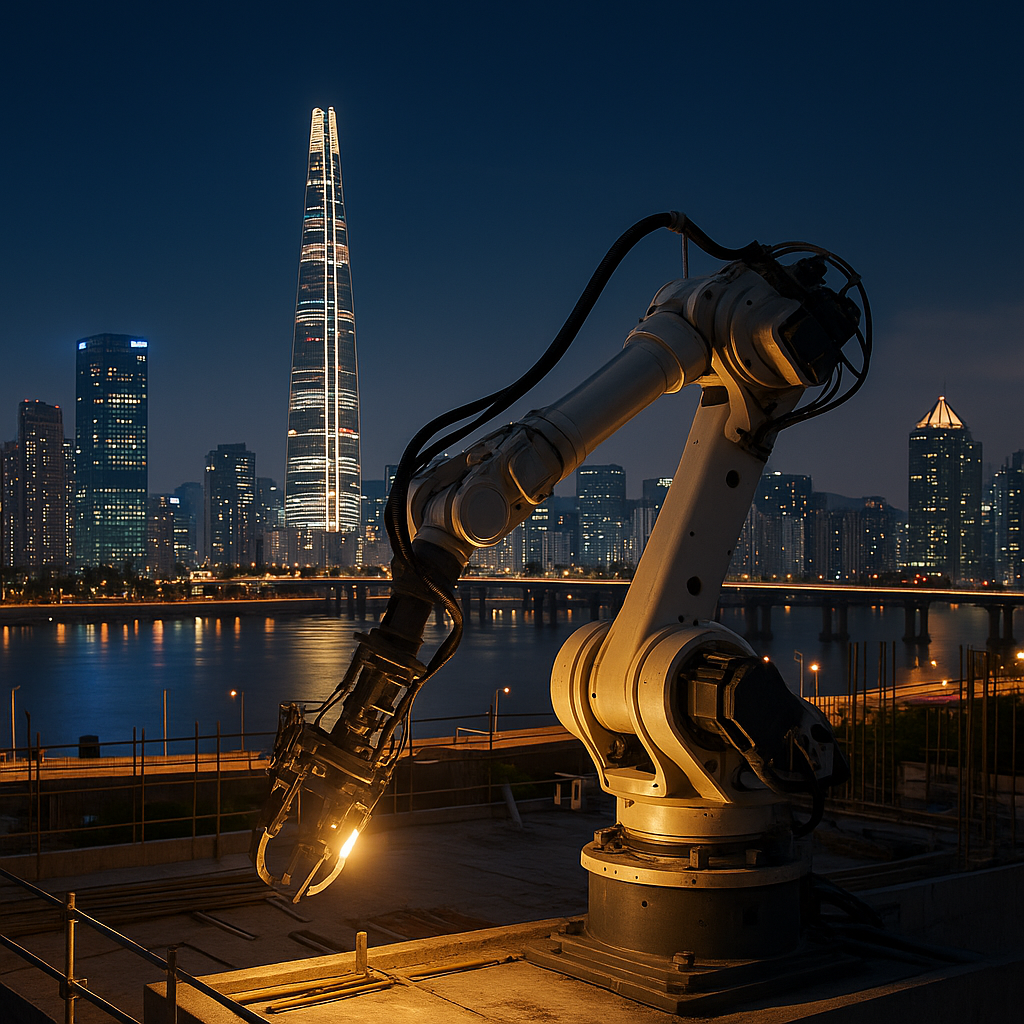
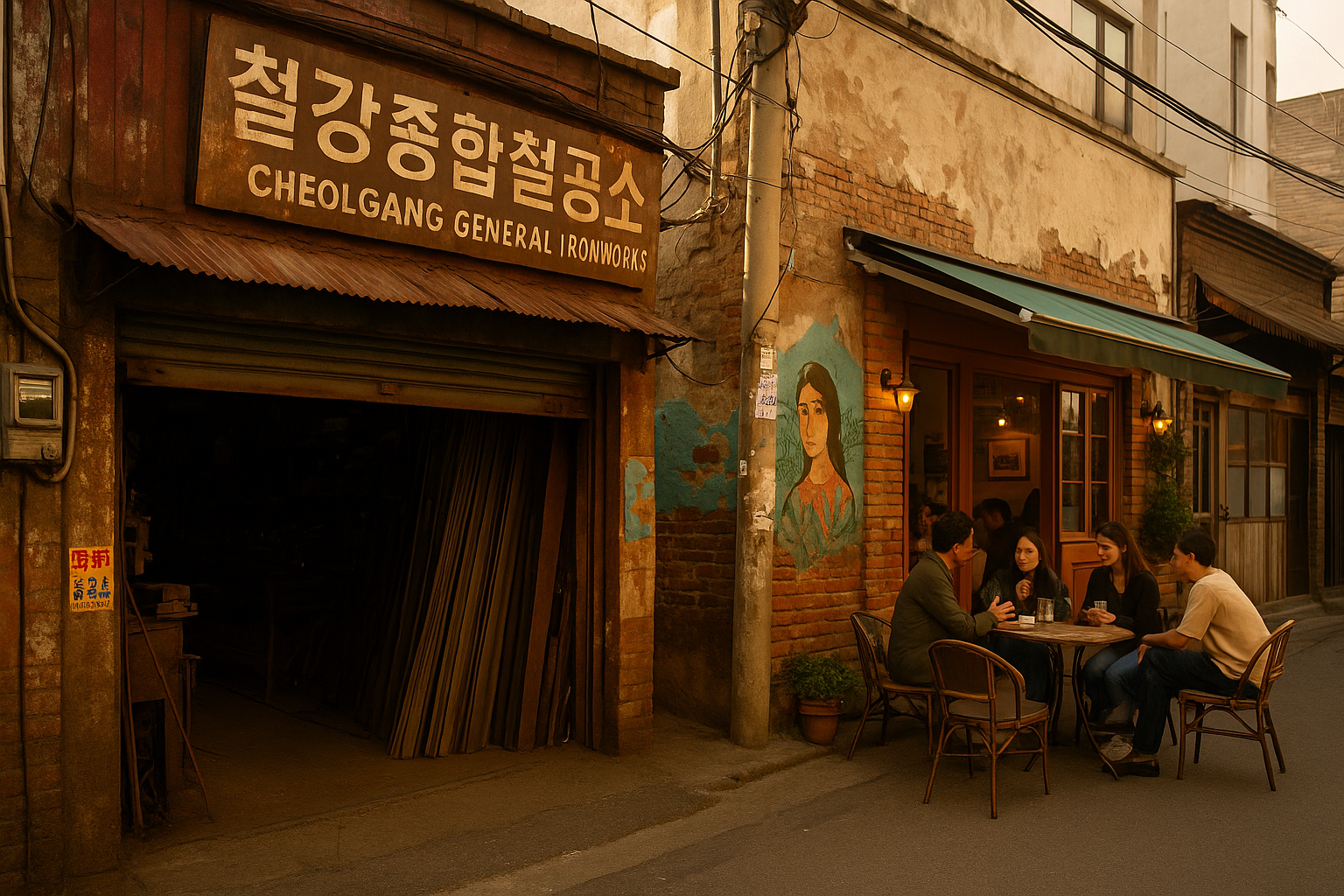
Mullae-dong was once a district of ironworks and warehouses. For decades, its alleys echoed with the hammering of steel and the hiss of welding torches. But as industries declined, the area’s low rents began attracting artists, designers, and young creators. The result is a striking coexistence: the metallic clang of workshops alongside murals and neon, the smell of oil and metal mixing with the aroma of coffee. By day, the neighborhood works; by night, it transforms into a stage of art and music. This “thickness of time” and layering of cultures caught the world’s attention. Visitors to Mullae-dong don’t just consume—they experience. ㅇ In the morning, the neighborhood still resounds with factory work. ㅇ By afternoon, you can step into a leather craft studio or a perfume workshop. ㅇ By evening, the alleys glow with neon signs, alive with small concerts or gatherings. Such multiplicity—different faces of the same place depending on the hour—offers a depth of experience rare even in global cities. Competing against iconic districts like Brooklyn in New York, El Raval in Barcelona, or Shimokitazawa in Tokyo, Mullae-dong’s 6th-place ranking is no accident. It speaks to a universal truth: the most memorable places are those where the past and present embrace, where authenticity breathes in every corner.
The secret of Mullae-dong’s rise is not in buildings but in people. ㅇ Elderly masters who once ran ironworks began renting out parts of their workshops to young artists. ㅇ A rusting factory became a gallery; a warehouse became a design studio. ㅇ Young entrepreneurs opened cafés and small shops, filling the alleys with new life. ㅇ Residents and visitors meet in these streets, turning everyday encounters into living theater. We often think global recognition comes from governments or big corporations. But in truth, cool neighborhoods are built by the quiet persistence of ordinary people. There is the noodle shop owner who has been there for decades. The elderly couple who have run the same corner store, greeting neighbors each morning. And there are the new faces: a young barista opening a café in a converted workshop, a designer running a tiny studio upstairs, a group of locals organizing flea markets through social media. Coolness is born where these two currents meet— 👉 roots that preserve tradition and memory, and 👉 branches that bring innovation and change. A single force cannot sustain a neighborhood. Without the heartbeat of residents, corporate developments feel empty. Without external interest, local passion alone may struggle to grow. Mullae-dong thrives because it embodies coexistence: between old and new, between memory and creativity.
“Cool” is more than a compliment—it reflects the depth of our relationship with space. Cities are built on efficiency and speed: skyscrapers, transport networks, vast malls. But these alone do not satisfy. What truly captivates us are places where human warmth lingers, where traces of life remain. Cool neighborhoods resonate with fundamental human instincts: ㅇ Social Instinct As Aristotle said, humans are social animals. Life is whole only through connection, not isolation. ㅇ Psychological Stimulation Psychologists note that humans require a baseline of stimulation to stay alive and engaged. Rural quiet may feel romantic at first, but over time it turns into boredom and loneliness. Urban bustle, though tiring, injects vitality. ㅇ Collective Energy Sociologist Émile Durkheim called it collective effervescence—the special energy felt in a crowd. The vibrancy of plazas, markets, or cafés is proof that being among others is itself life-giving. This is why even in old age, people return not to country homes but to city streets. What they seek is not noise but belonging. True stillness is not found in solitude but among people. Ultimately, cool neighborhoods are living evidence that we remain social beings. They are not decorative extras to cities but vital stages where our existence is affirmed through connection.
That a Seoul neighborhood ranked 6th in the world is joyful news. But the deeper value lies in the questions it leaves behind: ㅇ What defines a cool neighborhood? ㅇ Why did this place capture the world’s gaze? ㅇ Who built it? ㅇ And what meaning does it hold for human life? These are not just questions about Mullae-dong’s success—they challenge us to rethink the way we live and share community. Seoul is full of local districts—Seongsu-dong, Yeonnam-dong, Ikseon-dong, Mangwon-dong—each proving in its own way that authenticity and creativity can reshape urban life. Whether or not they make the rankings, the true measure lies in the lives we build within them. A cool neighborhood is not a distant destination. It is the sum of ordinary people sharing daily life—an elderly man reading a newspaper in a café, a student studying beside him, a shopkeeper keeping her store open late into the night. Together, these everyday moments weave into a landscape that the world finds extraordinary. And so the final questions turn to us: 👉 How am I living my own neighborhood? 👉 Is my community warm enough to be loved by the world? The answer reminds us: Cool neighborhoods are not far away. They begin right here, on the very street we walk every day.






 티스토리 블로그
 회원가입
회원가입 로그인
로그인